Many DeafBlind adults in Seattle depend on technology every day, but most digital tools are built for people who can see or hear well. Staff at The Lighthouse for the Blind, Inc. saw this problem up close. The gap in digital access made it harder for community members to stay independent, find information, get jobs, and connect with others.
What people needed was more than just technology. They needed a supportive place to learn, adaptive equipment, and one-on-one teaching.
Seattle’s Technology Matching Fund (TMF) helped meet those needs through the Digital Training for DeafBlind Adults project.
“The City of Seattle is committed to making digital access a priority for all residents, ensuring that everyone, regardless of disability, can fully use the resources and services they need,” said Chief Technology Officer Shannon Smith. “Partnering with community organizations like Lighthouse is essential to helping residents easily find the information they need across the City’s platforms and applications.”
A Classroom Built for Learning
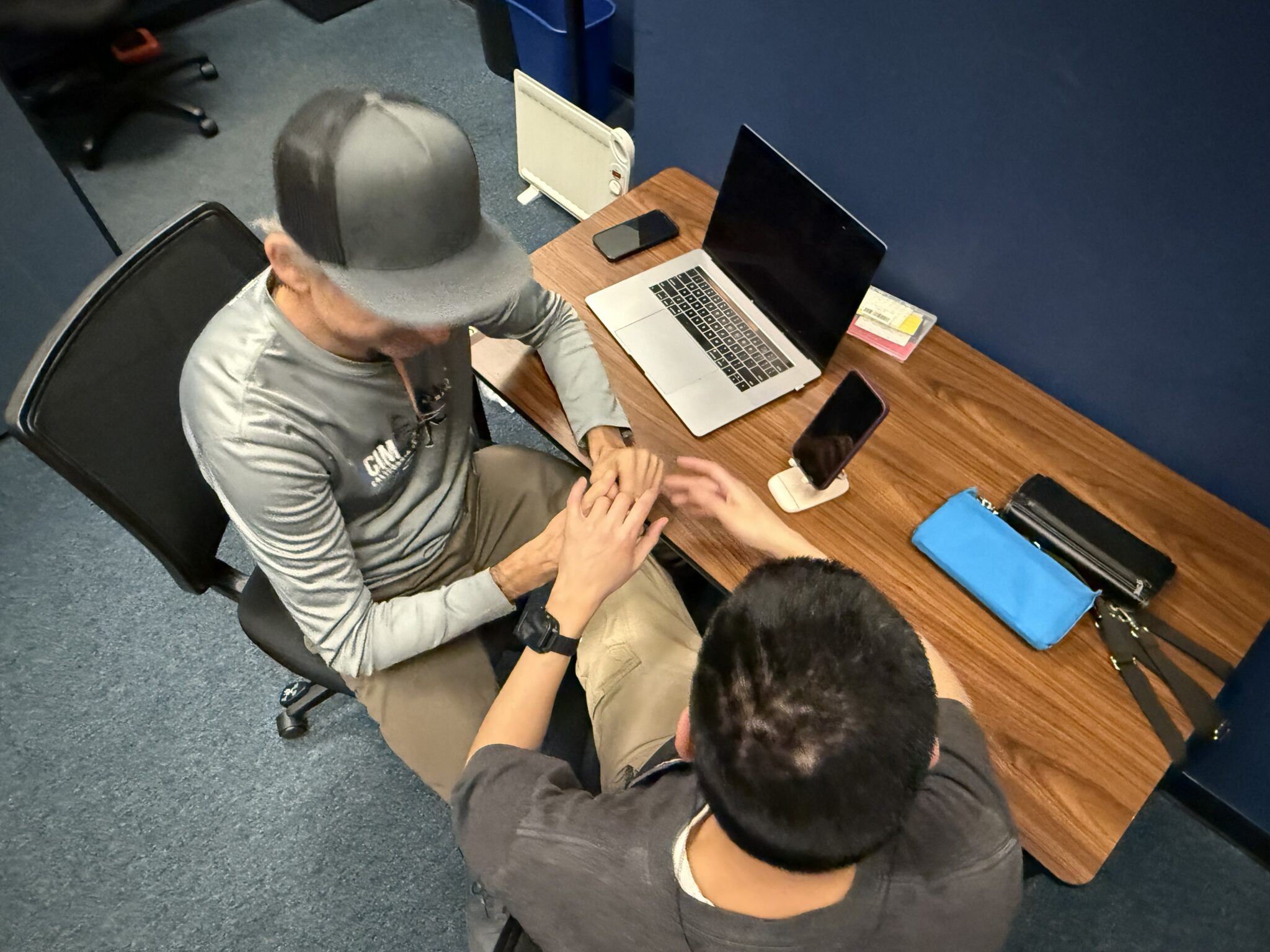
From June 2025 to June 2026, Lighthouse welcomed 12 DeafBlind adults into its Technology Training Center. The classroom was fully accessible. It had refreshable braille displays, high contrast keyboards, better lighting, and special software.
Members of the DeafBlind community helped design the space. They wanted a place that felt safe and comfortable to learn in.
Lighthouse also hired an instructor who is part of the DeafBlind community. This meant no interpreters were needed. Lessons happened in American Sign Language, Protactile Sign Language, and other touch-based methods that participants already knew.
One-on-One Training That Works
Each person learned through one-on-one digital navigator sessions. Over the year, the center held 153 sessions. That added up to 354 hours of teaching. This shows how much time and care it takes to teach technology in an accessible way.
Every participant set personal goals with the instructor. Some wanted to communicate better at work. Others wanted to manage daily tasks or feel more confident using new devices.
Lessons covered a wide range of skills, including:
- Typing, email, and messaging
- Microsoft Office and Google Suite
- Using mobile devices
- Pairing braille displays with phones
Participants also learned to use apps for banking, grocery shopping, medical appointments, and getting around. These skills helped them do more on their own.
Real Results for Real People
The results show how well this kind of training works. Every participant said their digital skills improved. They also felt more self-sufficient.
Many people felt more connected to their communities. They felt more sure of themselves online. Some learned to communicate more clearly at work. They could send messages to supervisors or check calendars for their shifts.
Others used their new skills to reconnect with family and friends. Some read books with text-to-speech software. Some explored hobbies through sports and weather apps.
One participant said the training helped them fix problems on their phone by themselves, something they never felt able to do before. Another said they could now use their device much more easily, thanks to shortcuts and better command of their braille display.
These stories show what digital access can do. It can restore independence, confidence, and a sense of belonging.
“When access to technology is connected to personalized training and supportive community, DeafBlind adults can thrive in an increasingly digital world,” said Meira Jough, Digital Equity Advisor, Seattle IT.
Looking Ahead
The grant period has ended, but Lighthouse wants to keep the program going. The project greatly increased what the organization can do for DeafBlind adults. It also showed strong demand for ongoing, one-on-one digital training.
Lighthouse hopes to help more people gain the tools and confidence they need. With these skills, people can live independently, take part in their community, and pursue meaningful career goals.
Learn More
For more about The Lighthouse for the Blind, Inc., visit their website:
The Lighthouse for the Blind, Inc.
For more about Technology Matching Fund outcomes, see our TMF Dashboard:
Seattle IT – TMF Grant
To apply for a Technology Matching Fund grant, visit our webpage:
Digital Equity Grant Opportunities – Tech | seattle.gov Have questions? Send us an email: communitytechnology@seattle.gov